I’ve been seeing some discussion lately about NFC (Near Field Communications). NFC is a short range communication technology that allows data to be transferred between devices. While NFC has existed for a while, it’s recently become news because of the speculation that Apple will be including NFC chips in the next version of the iPhone. More »
I’ve been seeing some discussion lately about NFC (Near Field Communications). NFC is a short range communication technology that allows data to be transferred between devices. While NFC has existed for a while, it’s recently become news because of the speculation that Apple will be including NFC chips in the next version of the iPhone.
The holy grail of NFC is that it will allow payments via any mobile device. So far there have been trial implementations but the technology has not reached the mainstream. Retailers won’t install the hardware required to accept NFC payments until there is a broad consumer base and mobile manufactures have been reluctant to include a feature that will have limited adoption by retailers.
If Apple includes this technology in the iPhone it will provide the broad consumer base that retailers have been waiting for. iPhone users are already comfortable making purchases on their phones and this would be an easy extension of that functionality.
What’s in it for Apple? As this article points out, Apple now has a chance to grab a big chunk of the fees retailers had been paying to credit card companies for processing. If you’re a retailer this is definitely a technology you should be planning for. If you’re a consumer, then Apple is once again making it easier to part with your money.
Update: Since this was posted RIM announced that Blackberry’s would begin to support NFC in 2011 and Google has also expressed their support. Over to you Apple.
-->
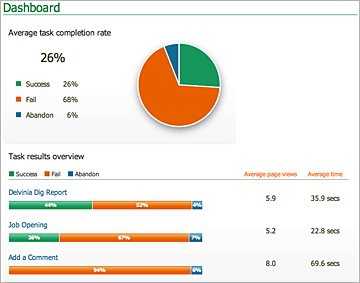
In August 2010 Delvinina began a project to integrate our current UX testing process with our AskingCanadians™ panel. Part of the project was funded by The National Research Council Industrial Research Assistance Program (IRAP), a program that helps business increase technical capabilities within the context of their current product offerings. In the past, IRAP projects have More »
Today YouTube launched a new user interface called Leanback. The immediate response around the office was “that’s for TV”. As mentioned in this article from GigaOM, the hope is that YouTube viewers become more passive and stick around for greater than the current 15 minutes of viewing time a day. The interface is slick, easy More »
On July 26 Ford launched the new Explorer in a way that was unique to product launches in the automotive industry. They decided to forego the usual practice of revealing a new model at an auto show and instead unveiled the 2011 Ford Explorer on their Facebook page. The page included video, photographs and a More »
The importance of the recent announcements of Facebook changes at the F8 conference cannot be under estimated and should be understood by individuals and businesses alike. For the individual you should be aware of how your data will now be shared and distributed across the web. Robert Scoble points out in a great post on More »
With the release of the Apple Ipad there has been much discussion around the disruptive impact it will have on the publishing, media and gaming industries. The effects are already starting to be felt as Apple has sold an astonishing 450,000 units since the April 03 launch. One interesting thing to watch will be the More »
With Google’s announcement that they will be providing broadband access to unserved areas with Google Fiber For Communities, it left me thinking about how Canada’s needs are being addressed. The process started in 2001 with the allocation of $35 million in the Liberal government’s budget for rural broadband development. Successive governments have been promising and funding More »