We’ve recently completed a renovation of our kitchen. And now we’ve turned our attention to the rest of the house—specifically carpets.
We went carpet shopping this past weekend. Our first stop on Saturday was at a high end store we were familiar with through traditional print advertising and the company’s word of mouth reputation. We wanted to know about the best products available on the market.
We saw lots of carpets, spoke to a salesperson, got some quotes, and left with a feeling that we’ll have to postpone this particular purchase until we have a lot more money saved up.
On Sunday, I decided I would check out an alternate store in the middle to lower end of the spectrum (or so I thought). I was familiar with the name of the store from their television jingle, and having seen their flyers in the local paper from time to time.
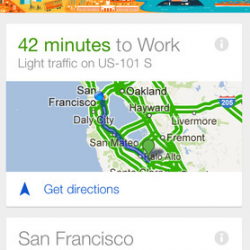
What I couldn’t remember was where they were located. Instead of heading to our home PC and waiting for it to boot up to do a search, I reached for my smartphone. It’s almost always on so I don’t have to wait to find the information I want. This is a definite change in behavior for me and I suspect for countless others too.
Not that long ago, the phone would not have been a viable option. And now, using the phone in this way feels like second nature.
However, once I found the site I wanted, the experience was less than ideal. The website had not been designed for a mobile experience. Marketers will need to adapt their marketing arsenal to accommodate mobile users, sooner rather than later.
Turns out the second carpet store had, to my eye, lower quality products, terrible service, and pretty much the same price point as the higher end store. The search for an affordable carpet continues.
As we all know, digital media has exploded in recent years, leading to the proliferation of countless websites that aggregate deals, ratings and reviews, or otherwise inform consumers about how to shop and what to buy.
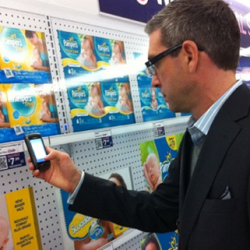
The rise of mobile technology is also starting to have an impact on the shopping experience. Customers comparison shop via their smartphones while standing right in the store aisle. In fact, our research shows that many Canadians are right at home shopping online and would be happy to never to set foot in a traditional store again.
This led us to ask a simple question, “In a world with so many available options and information, what should retailers and brands be doing to court this new digital (social) customer?”
Last week I had the opportunity to share our findings during a presentation at the Retail Advertising and Marketing Symposium, presented by the Retail Council of Canada and Retail Advertising and Marketing Canada.
This year’s event, held at the International Centre, cast a spotlight on the opportunities and challenges retailers face in keeping up with technology—a topic we examined in our latest DIG report entitled, The Social Shopper: A Lens into the Future of Retail Experiences.
Digitally-Savvy Shoppers
As we dug into the data, collected through our proprietary AskingCanadians™ online community, we were most interested in the behaviour of a group we refer to as social shoppers—individuals that use digital technology as a lifeline to friends, family and the digital universe at large. They own a lot of technology and they’re heavy users of social media.
Although this is still a niche group of Canadians, it’s a fast growing group and it’s not all made up of millennials, geeks or people living in cities. These are everyday people that are using digital technology to change the way we interact with them.
Insights into Consumer Behaviour
While it remains true that digital behaviours vary from product to product, and from person to person, the data provides the following insights into consumer behaviour:
• Sixty-one per cent of shoppers surveyed research products online prior to making a purchase. And, they do so at least 50 per cent of the time.
• Sixty-five per cent of Canadian shoppers look for consumer reviews and recommendations while researching online, this is second only to price.
• One in five Canadian smartphone owners use their phones to search for product recommendations while shopping.
• One third of smartphone owners have used their phones to take pictures of a product while shopping.
Putting the Data To Use
So what does this mean for retailers and brand managers? What should they be doing to court the new consumer?
Well, at the highest level, our research finds that there are three calls to action. The first is to COLLABORATE. Retailers and brands need to work together to better understand this future consumer that they share, and what they want from the product and their experience of purchasing it.
Secondly, invite consumers to PARTICIPATE. The social shopper wants to contribute and influence the experience and products they buy. They want what they want when they go shopping and they expect to be heard. But they are not only more demanding, they are also more willing to help.
And finally, ANTICIPATE. That is to say, learn from your most connected social shoppers who are at the forefront of digital media, challenging and communicating with brands and other shoppers, and demanding more engaging, more compelling experiences all around.
Simply put, the media industry did not embrace digital and the changing face of the consumer market. As a result, many are still suffering from a very bad hangover. Mobile, social and new digital technologies can in fact be powerful tools to drive sales, improve customer satisfaction and build brand loyalty!
Adopt the social shoppers’ perspective and let them serve as your lens into the future of the retail experiences.
As of Monday, shoppers at the U.S. grocery store chain Stop & Shop can now scan their purchases using an Android or iPhone app called Scan It! developed by Modiv Media. The shopper begins by scanning their Shop & Stop loyalty card with their iPhone’s camera. The app uses the camera to scan the bar codes of items the shopper adds to their shopping bags. The purchases are totalled through the app and the shopper checks out using their debit or credit card without unloading or interacting with a cashier. It’s an honour system, but the store will do random checks to make sure shoppers are scanning and paying for everything in their bags.
The smartphone apps build upon the existing Scan It! technology that previously required proprietary hand-held scanners, and more importantly lowers the cost of the system per store from $80,000 to only $7,000. Relevant offers can be sent to the phone based on the shopper’s previous purchasing habits. The system can use the store’s Wi-Fi network to determine where the shopper is located and then send relevant offers for products located in that immediate area.
The first question that always pops into my mind with these technologies is, “Do shoppers really want this?” It seems like it would take twice as long to shop if I have to stop, turn on my phone and app, scan the code and then move on to the next thing on my list. Not to mention deal with all the tips and special offers (I assume I can turn those off or set a limit). After watching the Scan It! demo video, I’m thinking that all this activity would slow down the shopping experience.
I know from talking to people that design store flow that slowing down the shopping experience is not a good thing. Stores are designed specifically for flow, with the idea of getting an ideal number of shoppers through within a defined time period. And if even a few of those shoppers are stopping to scan items as they shop, or to consider offers, crisscrossing the store to take advantage of related product offers, the whole shopping flow will bog down.
I do believe that large grocery stores will eventually have a self-shopping experience but it’s not going to include busy shoppers visually scanning each item with their smartphone. A method of scanning items using a contactless system is a much better solution. Items that are added or removed from a shopper’s cart are automatically totalled with a final transaction occurring as the shopper exits the store – and the amount of the purchase is removed from a user’s account according to pre-defined methods.
The intelligent shopping experience has always been the dream of futurists, allowing shoppers to move freely from store to store without having to reach into their wallets and purses for cash or a credit card. I for one would love to see store employees freed up to assist customers rather than spend time tapping buttons and making change.
Thoughts?
Going Mobile: Designing for Different Screen Sizes | Promoting Your Mobile App UX Matters Mobile Health Apps Are on the Rise GigaOm Amazon Will Let You Loan Kindle Books to a Friend — But Publishers Can Turn It Off GizModo Backer of Twitter, Foursquare, and Etsy Dishes on 3-D Printing Revolution Fast Company Design Shoppers [...]
History Channel Launches Foursquare Campaign and a New Badge | New York Times Log in or sign up? | Leah Culver’s Blog Future Of Retail: The Impact Of The iPad | PSFK Foursquare Becomes More Business-Friendly | TechCrunch Why Didn’t Facebook Launch Location Features? | GigaOm Click here to see what links we’re sharing this [...]
Privacy Policy | © Copyright 2012 Delvinia