Skip to Main Content
 
Home
 

Customer Insights on a Shoestring
April 6, 2011 | Posted by: Rosalina Lin-Allen | delvinia,Social Media,Technology
 

You believe understanding your customer is imperative to the success of your product, but you have a limited budget and an aggressive timeline. Sound familiar? Given this common reality, many time-pressed, resource-squeezed product managers forgo customer research in their product development process. Instead, they rely on intuition and any quick secondary research they can get their hands on. However, this approach can fail to provide sufficient insights to help businesses stand out from their competitors.

The good news is, with digital technology being what it is today, product managers can get customer insights on a shoestring and in a timely fashion. Here are three options:

Leverage social networking sites

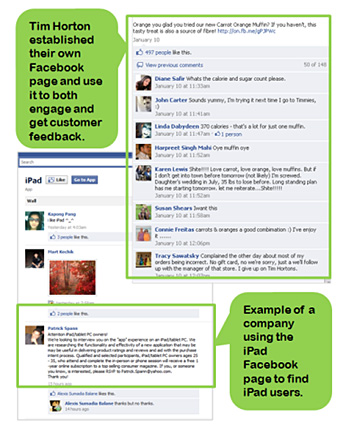
Leverage Social Networking SitesSocial networks allow people to connect with one another in an unprecedented way. Facebook has 500 million active users and more than 620 million groups. B2C product managers can easily tap into one of these communities and ‘listen’ to their customers’ needs, behaviours, and attitudes.

Outside of Facebook, there are countless niche social networking sites (e.g. patientslikeme.com for health, bottlenotes.com for wine). Make sure you choose the right forum depending on your target audience.

On the B2B front, LinkedIn has more than 850,000 groups and 90 million members worldwide. Similar to B2C social networking sites, B2B product managers can listen and learn about their target audience or acquire direct feedback through conversation.

Leverage Third Party Crowdsource Services

Third Party Crowdsource ServicesAnother way to effectively tap into customer insights is through the use of third party crowdsource services such InnoCentive and Kluster. These sites provide platforms for companies to crowdsource ideas and solutions from the public.

InnoCentive matches complex problems from large companies with professionally qualified members who group together to provide solutions for monetary rewards. Kluster.com is an example of a platform that anyone can use to assemble a small network (or kluster) of users to collaborate or provide instant feedback on product or marketing ideas.

Omnibus

Yet another way of accessing customer insights is through the Omnibus offering from market research firms. For those who are not familiar with the concept, market research firms with access to a research panel typically offer a service where proprietary questions from multiple customers are pooled into one survey. This cost-sharing model allows product managers to cost-effectively access answers to their specific question(s) with statistically representative data. (Delvinia’s AskingCanadians™ Omnibus offers 1,000 responses from a nationally representative sample of Canadians).

Active listening is the bedrock of creating successful products. As the customer custodian, product managers should continue to strive to be connected to customers, regardless of barriers. With digital technology today, product managers have unprecedented access to their customers. Take advantage before everybody else catches on. After all, the early bird gets the worm!


LinkedIn Debuts New Company Insider Widget on ’100 Best Companies to Work For’ List

January 21, 2011 | Posted by: Randy Matheson | Digital Culture,Featured Story,Social Media,Technology
 

LinkedIn Company Insider WidgetLast fall LinkedIn announced its new Javascript platform that would allow LinkedIn content to be shared across the web in a similar manner as Facebook or Twitter.  This week saw the public debut of LinkedIn‘s new Company Insider widget on the CNNMoney website.  It’s being used to give readers of Fortune’s annual list of the ‘100 Best Companies to Work For‘ a live look into the employees of each these companies.

A reader can instantly see how many members of a company have profiles on LinkedIn, as well as if they have direct or other level connections at the company already within their network. In addition a reader can view additional content such as new hires, promotions and changes at the company.  A reader interested in a company can click the follow button and not leave the site to subscribe to updates.

In addition the profile pages for each company in Fortune’s list also features a Facebook Social Plugin featuring the question “Is _______ a great company to work for, or what?”. Readers who are logged into Facebook can ‘Like’ the post as well as comment using their Facebook profile. The comment can then be shared back onto their profile.

Do you feel that including widgets as shown in this example helps to connect the social web together?

Are these good substitutes for regular company profiles and traditional commenting features?


5 Most Viewed Articles on the Delvinia Link Pool: June 28 – July 4

July 5, 2010 | Posted by: Delvinia | Link Pool